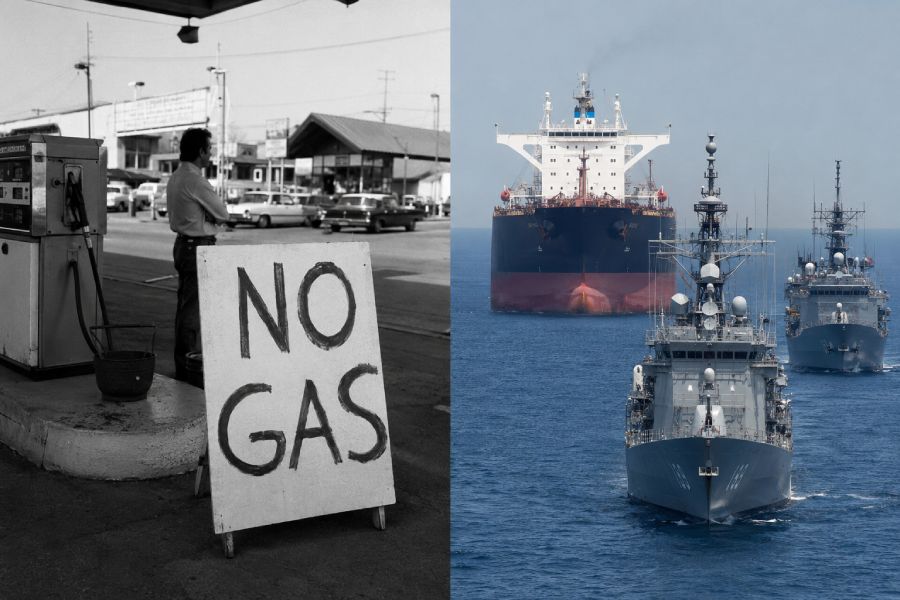
The word of this week is stagflation. Stagnant growth plus accelerating inflation — the economic combination that wrecked the 1970s and is now emerging in the data of 2026. Tuesday’s CPI at 3.8% and Wednesday’s PPI surge were not just inflation readings. They were the clearest signal yet that the US economy is being simultaneously choked and inflated by the Hormuz oil shock. And while stagflation is causing gold short-term pain right now, history is unambiguous about what it does to gold over a period of 6 to 18 months.
Let us set the scene. The US Federal Reserve faces a dilemma that textbooks describe but central bankers dread. Inflation is rising — CPI at 3.8% is the highest since May 2023, and core PCE was already running at 3.5% in March. The correct policy response to high inflation is to raise rates. But raising rates into a slowing economy — one where energy costs are squeezing businesses and consumers simultaneously — risks triggering a recession. The Fed is paralysed. It cannot cut because of inflation. It increasingly cannot hike without breaking the economy. Gold, which was being suppressed by rate-hike fears, is simultaneously being supported by the fear that the Fed will eventually have to choose between inflation and growth — and may get both wrong.
In the 1970s, the last true stagflation era, gold rose from $35 per ounce in 1970 to $850 in January 1980. A 2,329% gain. That era featured an oil embargo, high inflation, stuck interest rates, and geopolitical conflict in the Middle East. The parallel is not perfect. But it is not coincidental either.
Today, gold is at $4,686 — down from last week, down since the war began. But also up 41.86% year-on-year. Trump is in Beijing seeking Chinese pressure on Iran. The summit could produce a Hormuz breakthrough. If it does not, the stagflation thesis deepens. And in either scenario — peace deal that drops oil and unlocks rate cuts, or stagflation that ultimately forces the Fed into an impossible position — gold’s long-term direction is the same.
The gateway to gold’s next major leg is either Beijing this week or the inflation data of Q3. Either way, $4,686 is not a ceiling. It is a floor.